Flooding is not just a natural disaster in the Philippines.
It is an engineering failure, a planning failure, and often a maintenance failure.
Billions of pesos are spent yearly on drainage and flood control, yet communities—urban and rural—continue to suffer from recurring floods. The reason is simple:
Most flood-control projects treat the symptom, not the system.
Below are the technical, structural, and policy reasons flood projects fail—and the engineering solutions that work.
1. The Drainage System Is Undersized From the Start
Most designs still follow outdated rainfall intensities, often based on 5-, 10-, or 25-year return periods.
But today’s rainfall events in the Philippines are equivalent to 50–100-year storms due to climate change.
Why This Fails
- Pipes and canals cannot carry sudden peak flows.
- Streets become catch basins.
- Water backs up into homes and businesses.
Solution
- Adopt updated rainfall intensity–duration–frequency (IDF) curves from PAGASA.
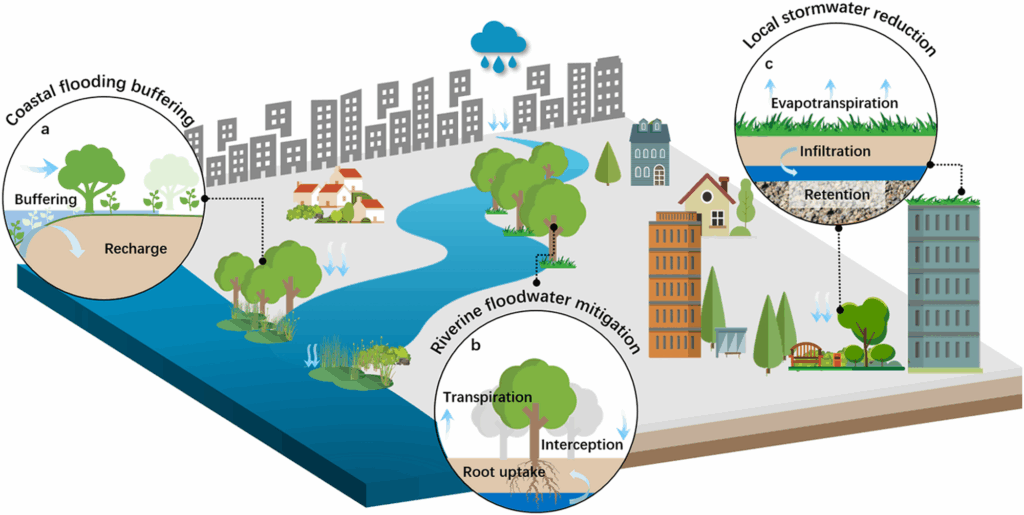
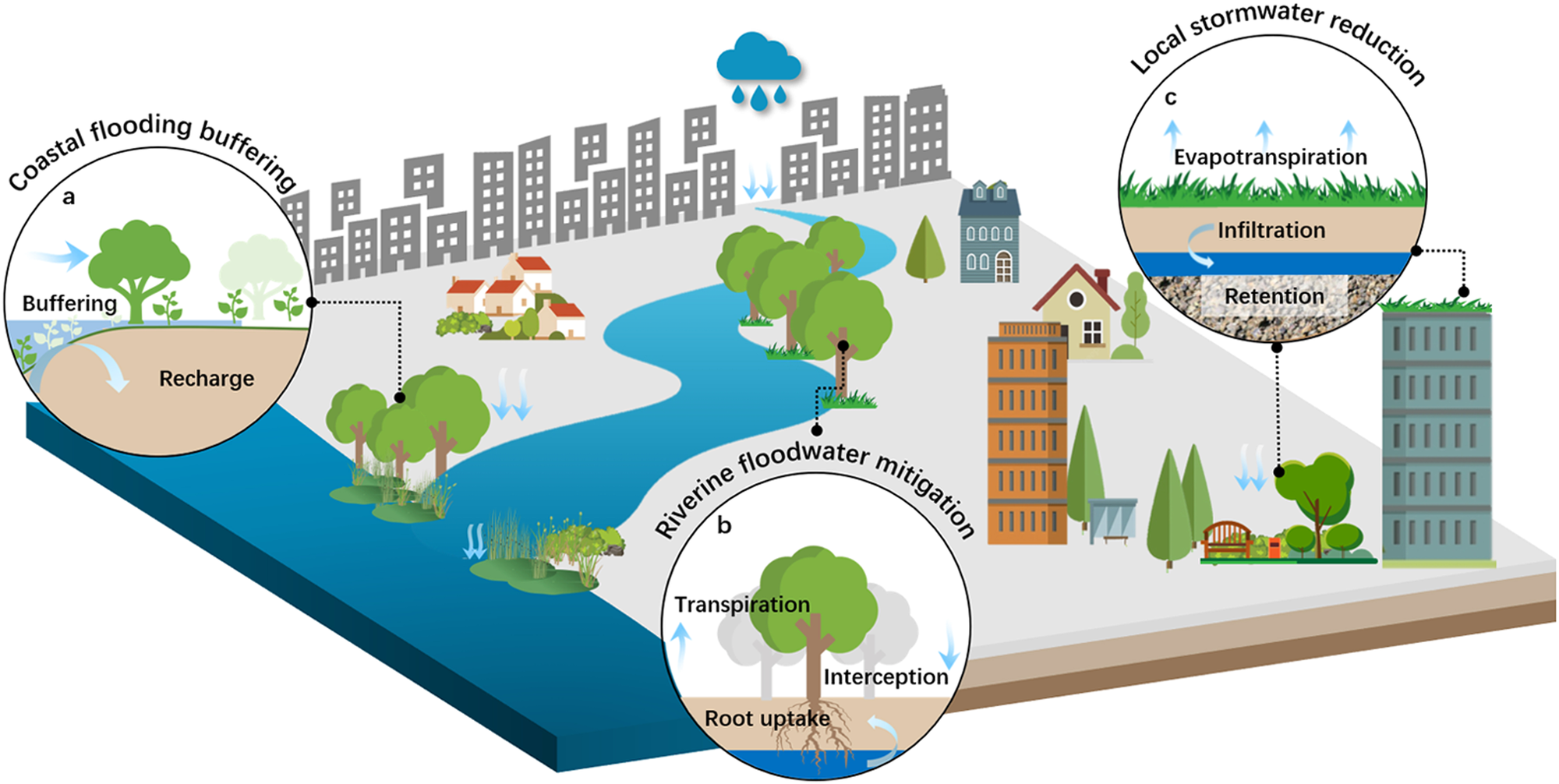
- Use green-grey hybrid designs: bioswales, catchment parks, permeable pavements.
- Require LGUs to follow higher return-period standards: 50-year for cities, 25-year for barangays.
2. Drainage Plans Are Designed in Isolation (Not in a Basin Model)
A drainage canal is useless if the downstream system cannot receive its water.
Why This Fails
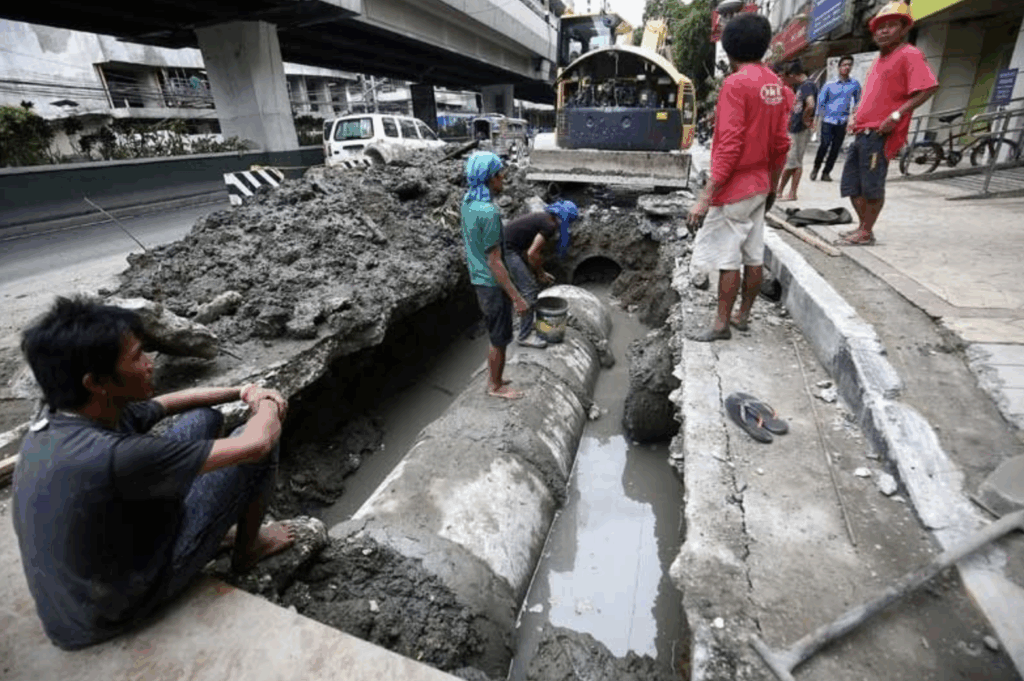
- Barangay-level projects discharge into clogged municipal drains.
- Municipal drains discharge into rivers with bottlenecks.
- Entire cities discharge into estuaries that have silted over.
The result?
Localized improvements cause downstream flooding.
Solution
- Use watershed and catchment modeling before approving projects.
- Integrate barangay → city → provincial drainage flow.
- Remove bottlenecks first before building new canals.
- Adopt DPWH Unified Flood Control Masterplans at LGU level.
3. Right-of-Way (ROW) Is Ignored
Engineers sometimes design ideal drainage widths (e.g., 3m, 5m, 8m canals), but implementation squeezes them into existing narrow corridors.
Why This Fails
- Reduced hydraulic capacity
- Inconsistent flow velocity
- Turbulence and backflow
- Jumping water during heavy rainfall
Solution
- LGUs must be empowered to clear ROW obstructions.
- Use box culverts instead of open canals where space is limited.
- Implement phased ROW acquisition with compensation and relocation.
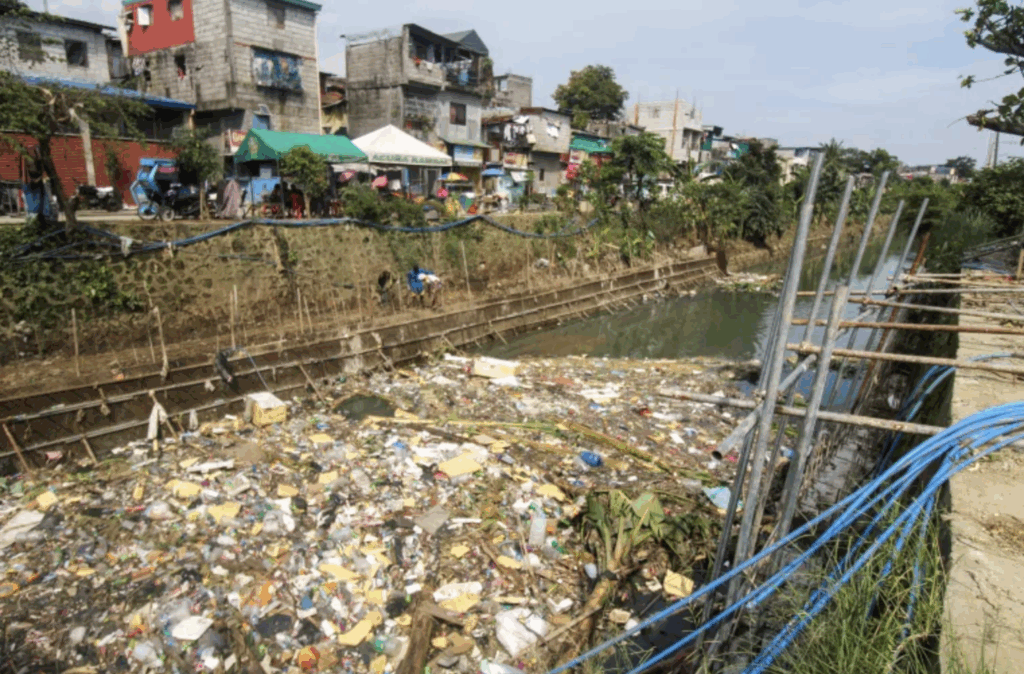
4. Siltation and Garbage Make the System Functionally Dead
Even the best-designed system becomes useless when:
- Garbage blocks culverts
- Silt reduces canal depth
- Mangroves and esteros shrink
Why This Fails
A canal designed for 20 m³/s may only handle 5 m³/s after siltation.
Solution
- Quarterly de-silting and jetting operations
- Install debris traps and trash racks at strategic points
- LGU-enforced solid waste discipline
- Use self-cleaning hydraulic designs to reduce buildup
5. Pumping Stations Are Built in the Wrong Places
Pumps are a solution of last resort, yet many cities rely on them as the primary flood-control mechanism.
Why This Fails
- Pumps activate too late
- Pumps are undersized
- Electrical outages disable them during storms
- No backup generators
- Pumping into high tide conditions makes pumps useless
Solution
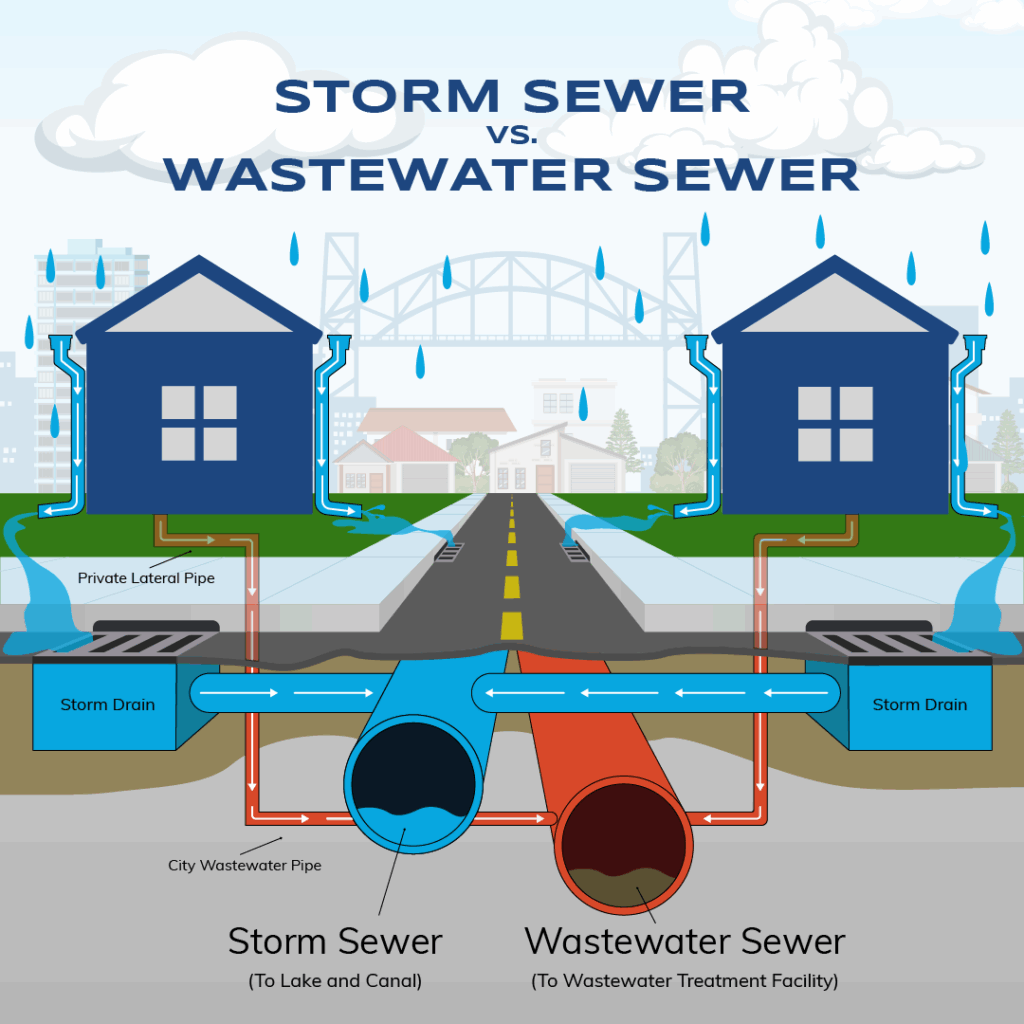
- Pumping stations must be integrated into:
- Tide forecasts
- River water levels
- Real-time rainfall sensors
- Install redundant pumps with automatic transfer switches
- Pair pumps with retention ponds to buffer high flows
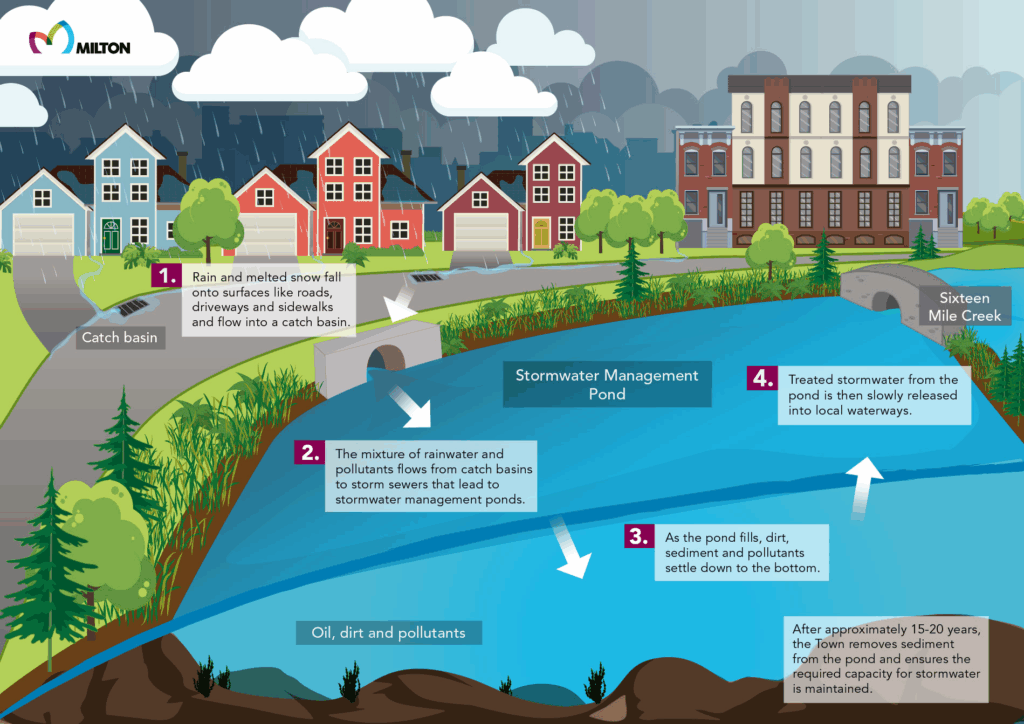
6. No Retention, Only Discharge
Philippine flood projects aim to “move water away fast.”
But with rapid urbanization, there is nowhere left for water to go.

Why This Fails
- Impermeable surfaces increase runoff
- Rivers rise faster than channels can drain
- Forcing discharge during high tide worsens flooding
Solution
- Require developments to build:
- Retention ponds
- Detention tanks
- Underground cisterns
- Green roofs
Cities like Tokyo, Singapore, and Seoul reduced flooding by storing water—not just draining it.
7. Construction Quality Is Poor
Many flood control projects fail not in design, but in execution.
Common Errors
- Wrong concrete mix
- Honeycombing in culverts
- Misaligned box culvert sections
- Improper slope gradients
- No waterproofing at joints
- Weak riprap or undermining along rivers
Solution
- Require third-party testing for materials and compaction
- Strict QC: slump tests, compressive strength tests, joint inspections
- Use engineering-based contractors rather than lowest bidders
- DPWH to adopt performance-based procurement
8. Political Projects Override Engineering Logic
Short-term political timelines often replace long-term engineering planning.
Why This Fails
- Priority goes to “visible” projects, not effective ones
- Repairs are done instead of full rehabilitation
- Projects are fragmented per barangay budget cycles
Solution
- Mandate multi-year engineered flood masterplans
- Protect essential infrastructure from political turnover
- Tie funding to technical impact, not visibility
THE PATH FORWARD: ENGINEERING-LED FLOOD RESILIENCE
Philippine cities can dramatically reduce flooding by following four non-negotiable principles:
1. Design with updated climate data
2. Engineer drainage by basin, not by barangay
3. Build retention, not just discharge
4. Raise construction quality and maintenance discipline
When flood control is done correctly, it becomes part of a city’s foundation—just like roads, schools, and power systems.
Flooding is not inevitable.
It is solvable with intelligent design, disciplined execution, and long-term planning.
E.Y. Mercado Construction
Helping You Build World-Class Cities—One Resilient Flood System at a Time.